
Type “Lexie Wiggly“ into a search engine and you’ll find dozens of “biography” articles promising the full story. They describe her childhood, her personality, her exact hometown, even her preferred hairstyle. There’s just one problem: almost none of it can be verified. Lexie Wiggly is a private American woman best known for a past marriage to professional bull rider J.B. Mauney, and beyond that connection, very little about her has ever been confirmed through primary sources. This article takes a different approach. Instead of inventing detail to fill a biography template, it examines what is actually known, why her name generates so much search traffic, and how online content mills manufacture the illusion of a documented life.
Who Is Lexie Wiggly, Really?
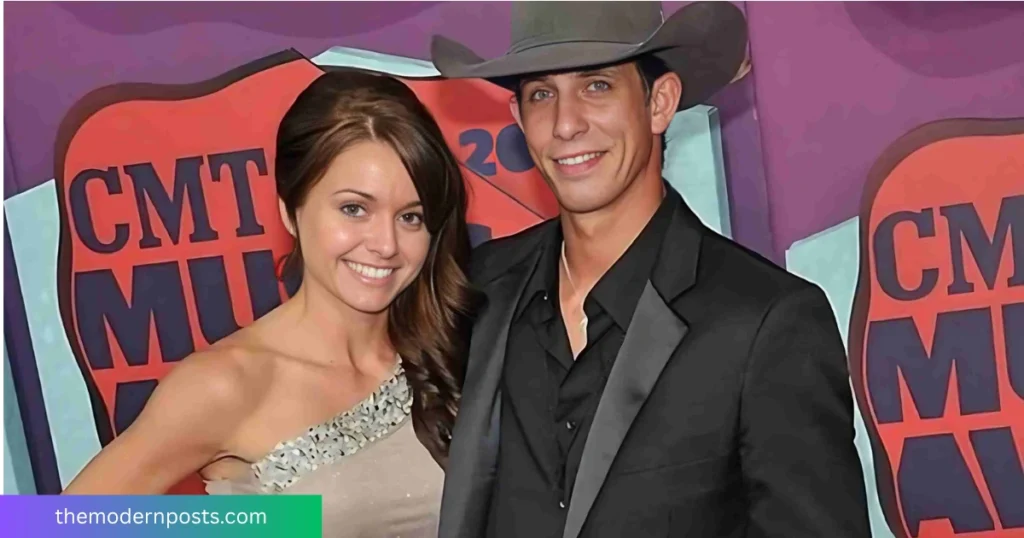
Strip away the speculation, and the confirmed picture of Lexie Wiggly is quite small. She is an American woman who was married to J.B. Mauney, one of the most decorated riders in Professional Bull Riders (PBR) history, during the early-to-mid 2010s. Multiple sources describe her as working in the beauty and skincare industry as an esthetician. Beyond that, there is no verified public record — no official biography, no confirmed interview, no primary-source statement from Lexie herself. She has never sought media attention, never built a public platform, and never confirmed personal details in her own words. That absence of a real voice is precisely what makes her such an interesting case study in how online biography content gets built.
How Lexie Wiggly Became a Search Trend
Names like Lexie Wiggly rarely trend because of anything the person did themselves. They trend because of proximity to fame. When a public figure like J.B. Mauney becomes well known, search engines register rising interest in the people connected to him — spouses, ex-spouses, and family members included. That interest creates demand, and demand creates content, whether or not real information exists to satisfy it. This is a well-documented pattern across entertainment and sports journalism, sometimes called the “celebrity spouse” search phenomenon.
The J.B. Mauney Connection
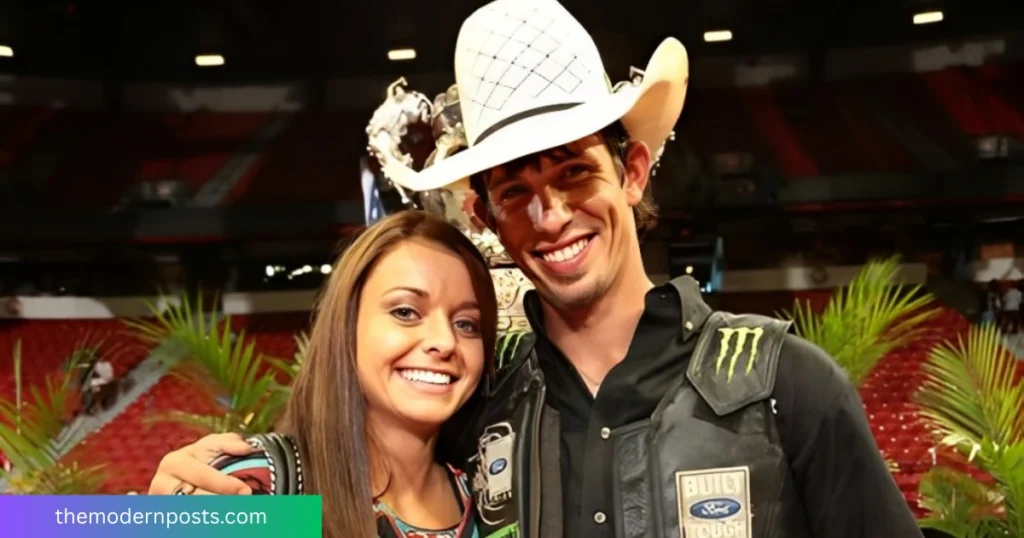
J.B. Mauney built his reputation as a fearless competitor with multiple PBR World Championship titles across a long professional career. His fame is well documented through official PBR records, televised competitions, and sports journalism. Lexie Wiggly’s name entered public search results largely because she was married to him during a period when his career was gaining major national attention. This is a familiar dynamic: the more searchable a public figure becomes, the more search volume trickles down to the private people in their life, regardless of whether those people ever chose that visibility.
What Is Actually Confirmed About Lexie Wiggly
When cross-checking multiple sources, only a narrow set of claims appears consistently enough to be treated as reasonably reliable. She was reportedly married to J.B. Mauney for several years. The couple reportedly divorced, with several sources pointing to around 2015, though no legal record has been publicly cited to confirm the exact date. She reportedly works as an esthetician. That’s essentially the extent of what multiple independent sources agree on without contradicting one another or citing unverifiable specifics like exact birthdates or named schools.
Her Marriage and Divorce Timeline
Most articles agree that Lexie Wiggly and J.B. Mauney were married for a period during the early 2010s and separated a few years later. However, the specific dates, the length of the marriage, and the stated reasons for divorce vary from article to article, which is a strong signal that these details are being estimated or copied rather than sourced. No court record, official statement, or interview appears to anchor these claims. Readers searching for a precise timeline should treat any specific date they encounter with caution unless it’s paired with a credible citation.
Her Career as an Esthetician
The claim that Lexie Wiggly works as an esthetician, sometimes specified as specializing in eyelash extensions, appears across nearly every source reviewed. This is one of the more consistent details in the available content, which lends it slightly more credibility than claims about her childhood or personality. Even so, there is no verifiable business listing, professional license record, or first-person confirmation publicly available to fully substantiate the specifics of her career, such as where she currently practices or how long she has worked in the field.
The Rise of “Content Mill” Biographies
A content mill is a website or network of websites that produces large volumes of articles quickly, often prioritizing search visibility over accuracy. When a name like Lexie Wiggly starts generating search interest, these operations move fast to publish “biography” content, frequently written or assisted by AI tools, that mimics the structure of a real profile without the underlying research. The goal isn’t to inform the reader thoroughly; it’s to rank for the keyword and capture ad revenue or affiliate clicks. This explains why so many nearly identical articles about the same person can exist despite almost no original reporting behind any of them.
Recycled Claims Across Dozens of Sites
A close reading of articles about Lexie Wiggly reveals a pattern: the same handful of claims — birth year, a possible hometown, hobbies like gymnastics and dance, a daughter born around 2011 — appear across many unrelated websites, almost always phrased differently but sourced from nowhere. This is a hallmark of content recycling, where one article’s speculation becomes the “fact” that the next article repeats, and the cycle continues until a claim feels established simply because it appears so often, not because it was ever actually confirmed.
Contradicting Details: Age, Hometown, and More
Contradictions are one of the clearest tells that content is being generated rather than researched. Some articles list Lexie Wiggly as 37 years old; others say 38. Some confidently state she was born in Mooresville, North Carolina; others hedge with “most likely” North Carolina. One article even briefly conflates her with a person connected to NASCAR driver Kyle Busch, an unrelated mix-up that suggests automated or careless content generation rather than fact-checked writing.
Case Study: Comparing Ten Articles About Lexie Wiggly
Reviewing ten separate articles published about Lexie Wiggly between late 2025 and mid-2026 shows a revealing pattern. Nearly all of them share the same section structure — early life, marriage, motherhood, career, life after divorce — almost like a template being filled in with slightly reworded language. Several use near-identical phrasing about her “quiet strength” and “choosing privacy over fame.” This kind of structural and linguistic overlap across supposedly independent publications is a strong indicator of templated SEO writing, where the format is standardized and the “facts” are interchangeable filler designed to satisfy search algorithms rather than readers.
Why Private Individuals Attract This Kind of Content
Search demand doesn’t require someone to be a public figure by choice. Once a person becomes associated with someone famous, whether through marriage, family, or a single newsworthy event, their name can generate lasting search traffic for years. Content creators and publishers respond to that traffic because it’s profitable, not because the subject has invited public scrutiny. This creates an uncomfortable dynamic where private individuals like Lexie Wiggly end up with an extensive online “presence” they never asked for and had no role in shaping.
The “Celebrity by Association” Effect
This pattern has a name in media studies: being famous by association. It applies to spouses, children, siblings, and even former partners of well-known athletes, actors, and public personalities. The person didn’t seek a public role, yet algorithms and content farms treat their name as a monetizable keyword. Lexie Wiggly fits this pattern closely. Her searchability exists entirely because of her past relationship with a champion athlete, not because of anything she chose to share publicly about her own life.
The Ethics of Writing About Private People
There’s a meaningful ethical line between reporting verified facts about a public figure and fabricating a detailed life story about a private person who has deliberately avoided the spotlight. Responsible journalism distinguishes between what’s confirmed, what’s reported by credible sources, and what’s speculation. Much of the content surrounding Lexie Wiggly blurs those lines, presenting guesses as settled facts. This matters because inaccurate details, once published widely enough, can become difficult for the actual person to correct and can shape public perception of someone who never consented to that exposure.
Privacy vs. Public Curiosity
Public curiosity about people connected to celebrities is understandable and not inherently wrong. The issue arises when that curiosity is used to justify publishing unverified personal details as fact. A responsible approach acknowledges the limits of available information rather than manufacturing false certainty. In Lexie Wiggly’s case, the most respectful and accurate stance is to state clearly what can be reasonably attributed to reliable reporting and to flag everything else as unconfirmed, rather than presenting a fully fleshed-out narrative that reads as authoritative but isn’t.
How AI-Generated Content Fuels the Cycle
The volume and similarity of articles about Lexie Wiggly strongly suggest that AI writing tools have been used to generate much of this content at scale. AI models are excellent at producing fluent, well-structured text, but they can also confidently generate plausible-sounding details that were never actually verified, especially when prompted to write a “detailed biography” about someone with a thin public record. This is sometimes called hallucination in AI terminology, and it’s a major reason readers should approach any biography-style article about a low-profile individual with a healthy degree of skepticism.
Red Flags That Signal Unverified Biography Content
Recognizing unreliable biography content is a useful skill for any internet reader, not just in Lexie Wiggly’s case. A few consistent warning signs show up across this type of content.
Vague Sourcing Language
Phrases like “reportedly,” “believed to be,” “sources suggest,” or “most likely” scattered throughout an article are a signal that the writer doesn’t actually have a confirmed source. Legitimate reporting typically names its sources or clearly states when information comes from public records versus estimation.
Suspiciously Specific Details Without Citations
Be cautious of articles that state precise details, like an exact birth year, hometown, or list of childhood hobbies, without linking to an interview, official record, or named source. Specificity can create a false sense of credibility even when the underlying claim has no real backing.
Repetition Across “Different” Sites
If the same unusual phrases or structural patterns appear across multiple websites claiming to be independent, that’s a strong sign the content originated from the same template or was copied and lightly reworded, rather than independently researched.
How to Evaluate Biography Articles Critically
Readers can protect themselves from misinformation by asking a few simple questions before accepting a claim as fact: Does this article cite a primary source, interview, or public record? Do multiple independent, reputable outlets agree on this detail? Does the claim include suspiciously specific information with no clear origin? Applying this kind of scrutiny to searches like “Lexie Wiggly” helps readers separate legitimate reporting from speculative filler, and it’s a habit worth building for any search involving a private individual connected to a public figure.
What This Means for Readers Searching “Lexie Wiggly”
If you searched for Lexie Wiggly hoping for a definitive life story, the honest answer is that one doesn’t exist in reliable, verifiable form. What can be said with reasonable confidence is that she was married to J.B. Mauney, that the marriage ended around the mid-2010s, and that she has worked as an esthetician. Everything beyond that — her exact hometown, her childhood interests, her current location, her net worth — should be treated as unconfirmed speculation until a credible primary source says otherwise.
Lessons for Content Creators and SEO Writers
For writers and publishers, the Lexie Wiggly phenomenon is a useful cautionary example. Chasing search volume by producing detailed biographies about private individuals with little verifiable information risks spreading misinformation and can raise real ethical concerns about consent and privacy. A more responsible approach is to write transparently about what is and isn’t known, clearly label speculation as such, and prioritize accuracy over word count. This builds more durable trust with readers than another templated article recycling the same unverified claims.
Conclusion
The Lexie Wiggly search trend says less about her and more about how modern search-driven content works. A private individual, connected to a public figure through marriage, becomes the subject of dozens of near-identical “biography” articles built largely on speculation, repetition, and AI-assisted content generation rather than real reporting. The responsible path forward is straightforward: report what’s confirmed, clearly flag what isn’t, and resist the pressure to manufacture a complete life story where one doesn’t reliably exist. That approach respects both the reader’s need for accurate information and the subject’s right to privacy.
Frequently Asked Questions
1. Who is Lexie Wiggly? Lexie Wiggly is a private American woman best known for a past marriage to professional bull rider J.B. Mauney. She reportedly works as an esthetician, but little else about her is independently verified.
2. Is Lexie Wiggly a public figure? No. She has never pursued media attention, public platforms, or interviews. Her searchability comes entirely from her past connection to a well-known athlete.
3. Why is so much conflicting information published about her? Much of the content is produced by SEO-driven websites and AI writing tools that generate biography-style articles to capture search traffic, often without verified sourcing, leading to repeated and contradictory claims.
4. What is actually confirmed about Lexie Wiggly? The most consistently reported details are her past marriage to J.B. Mauney, a divorce reportedly around 2015, and a career as an esthetician. Other details lack reliable sourcing.
5. Did Lexie Wiggly and J.B. Mauney have children together? Several sources reference a daughter, but this detail, like most others about her personal life, has not been confirmed through a primary source.
6. How can readers spot unreliable biography articles online? Look for vague sourcing language, suspiciously specific details without citations, and repeated phrasing across multiple “independent” sites — all signs of templated or AI-generated content.
7. Should readers trust every detail found when searching her name? No. Readers should treat unsourced specifics as speculation and rely only on claims corroborated by credible, independent reporting.