
Safra Catz and Peter Lynch are two well-known names in the world of business and finance, but they became successful in very different ways. Safra Catz built her reputation as a powerful corporate executive, especially through her long career at Oracle, where she played an important role in finance, acquisitions, and business strategy. Peter Lynch, meanwhile, became famous as an investor after managing Fidelity’s Magellan Fund and developing a reputation for finding promising companies before many other investors noticed them. Their names sometimes appear together because both have strong connections to business education and finance, particularly through the University of Pennsylvania’s Wharton School.
| Quick Fact | Safra Catz | Peter Lynch |
|---|---|---|
| Best known for | Oracle leadership | Magellan Fund |
| Main field | Technology and business | Investing |
| University connection | Wharton | Wharton |
| Famous strength | Corporate strategy | Stock selection |
| Career style | Executive leadership | Investment management |
Although Safra Catz and Peter Lynch are both associated with financial thinking, it is important not to confuse their careers. Catz worked from inside a major technology company, making decisions that could affect Oracle’s operations, acquisitions, and long-term direction. Lynch worked mainly as an investor, studying businesses from the outside and deciding where investors should put their money. In other words, Catz helped run a major business, while Lynch became famous for choosing businesses in which to invest. This difference makes their stories interesting to compare, because both careers show how financial knowledge, careful analysis, and long-term thinking can lead to major success.
What Connects Safra Catz and Peter Lynch?
The most notable connection between Safra Catz and Peter Lynch is their association with the University of Pennsylvania and the Wharton School. Both built strong academic foundations in business and finance, although they belonged to different generations. Catz studied at the University of Pennsylvania, earning a bachelor’s degree from Wharton and later a law degree from the university. Lynch also attended Wharton for his graduate business education. This shared academic background helps explain why their names may appear together in discussions about successful business and financial figures, but it should not be mistaken for evidence that they were classmates, business partners, or close professional associates.
Their careers developed along completely different paths after education. Safra Catz became a corporate leader, using her financial and legal knowledge to help guide Oracle through major business decisions and acquisitions. Peter Lynch became an investment manager, studying publicly traded companies and managing money for investors. There is no well-established public evidence that the two had a direct business partnership or worked together. Their connection is therefore more useful as a comparison of two influential approaches to finance: running and growing businesses versus studying and investing in them.

Did Safra Catz and Peter Lynch Attend Wharton Together?
No, it would be misleading to describe Safra Catz and Peter Lynch as classmates. Their educational timelines belong to different periods, even though both have a connection to Wharton. This distinction is important because online articles can sometimes turn a shared university connection into the impression that two people studied together or developed a personal relationship.
The Wharton connection is still meaningful because the school has produced many influential people in finance and business. Both Catz and Lynch developed careers where understanding numbers, businesses, markets, and strategic decisions was important. However, their success came from different professional environments. Lynch applied his knowledge to investment management, while Catz applied hers to corporate leadership and technology.
Safra Catz’s Career and Rise at Oracle
Safra Catz began her professional career in the financial world before becoming one of the most recognizable executives at Oracle. Her early experience in investment banking gave her a strong understanding of corporate finance, transactions, and business valuation. She joined Oracle in 1999, at a time when the technology industry was changing rapidly. Over the following years, she moved into increasingly important leadership positions and became closely associated with Oracle’s financial and strategic decisions.
One of the defining parts of Catz’s Oracle career was her involvement in the company’s aggressive acquisition strategy. Oracle purchased numerous technology companies to expand its software and business offerings, and Catz became an important figure in negotiating and managing these transactions. She eventually served as Oracle’s CEO, sharing the position at different points during the company’s leadership transition. Her career demonstrates how financial expertise can become a powerful tool for corporate leadership, particularly when a company is expanding through acquisitions and entering new technology markets.
| Safra Catz: Key Career Facts | Details |
|---|---|
| Joined Oracle | 1999 |
| Major expertise | Finance, acquisitions and corporate strategy |
| Major leadership role | Oracle CEO |
| Education | University of Pennsylvania |
| Known for | Oracle’s financial and strategic growth |
Catz’s leadership is particularly interesting because Oracle evolved considerably during her years at the company. The business moved beyond its traditional database software roots and expanded into cloud computing, enterprise applications, infrastructure and other technology services. Such a transformation required large investments and difficult strategic decisions. Catz’s financial background was valuable because major technology expansion requires more than technical knowledge; it also requires careful decisions about spending, acquisitions, competition and long-term returns.
Peter Lynch’s Career and Investment Success
Peter Lynch became famous for his time managing the Fidelity Magellan Fund, where he developed one of the strongest reputations in modern mutual-fund investing. He managed the fund from 1977 to 1990, and during that period Magellan experienced extraordinary growth. Lynch became particularly respected because he did not rely only on complicated financial models or Wall Street predictions. Instead, he believed investors could find useful investment ideas by paying attention to businesses they encountered in everyday life and then doing serious research before buying their stocks.
His famous investment philosophy is often connected with the phrase “invest in what you know.” The idea is simpler than it may sound. Lynch did not mean that someone should buy a company’s stock merely because they liked its products. He believed that noticing a successful company in everyday life could be the beginning of research. Investors still needed to examine earnings, debt, growth prospects, competition, valuation and other fundamentals before making an investment decision. That approach helped make Lynch’s investing philosophy accessible to ordinary people.
Why Was Peter Lynch So Successful?
Lynch’s success came from combining observation with detailed research. He looked for companies that could grow while still being reasonably valued, and he divided stocks into different categories based on their characteristics. This allowed him to think about companies according to their growth potential and financial situation instead of treating every stock in exactly the same way.
His approach also emphasized patience. A promising company might take years to reach its potential, and short-term market movements did not necessarily change the underlying business. This way of thinking influenced generations of individual investors. His books, particularly One Up on Wall Street, helped explain investment concepts in language that everyday readers could understand.
Safra Catz vs. Peter Lynch: Careers, Strategies and Achievements
Comparing Safra Catz and Peter Lynch reveals two very different sides of the financial world. Catz operated from inside a major corporation, where decisions involved employees, products, acquisitions, technology investments and shareholders. Lynch operated from the investment side, where his responsibility was to decide which companies could provide attractive opportunities for fund investors. One person helped shape a company’s direction; the other evaluated companies to decide where capital should go.
Their approaches nevertheless share an important quality: careful analysis. Neither career was built simply on following popular opinion. Catz’s work required evaluating businesses, transactions and financial consequences, while Lynch’s investment process involved studying companies and their future potential. This is one reason comparing them can be useful. Their careers show that strong financial thinking can be valuable both when managing a company and when deciding whether to invest in one.
| Area | Safra Catz | Peter Lynch |
|---|---|---|
| Primary role | Corporate executive | Investment manager |
| Famous organization | Oracle | Fidelity Magellan |
| Main focus | Business growth and strategy | Company selection |
| Perspective | Inside the company | Outside the company |
| Key strength | Corporate finance | Fundamental investing |
What Can Investors and Business Leaders Learn From Them?
The careers of Safra Catz and Peter Lynch offer a simple lesson: understanding how a business actually works is extremely important. Whether someone is managing a technology company or deciding whether to buy a stock, financial numbers alone are not enough. It is also important to understand the company’s products, competition, customers, leadership and ability to create value over time.
Another lesson is the importance of long-term thinking. Successful businesses and investments rarely develop overnight. Catz’s career at Oracle unfolded over decades, while Lynch’s reputation was built during years of managing investments. Both examples show why patience, research and disciplined decision-making can matter more than constantly reacting to short-term changes.
Are Safra Catz and Peter Lynch Related?
There is no reliable public evidence establishing that Safra Catz and Peter Lynch are relatives. Their names appearing together online can create the impression that they have a closer relationship than the available evidence supports. In reality, their most recognizable connection is their shared association with the University of Pennsylvania and the broader worlds of finance and business.
There is also no established evidence that Peter Lynch worked for Oracle or that Safra Catz worked for Fidelity under Lynch. Their professional careers developed independently. Lynch spent his most famous professional years managing investments at Fidelity, while Catz built her reputation within Oracle’s corporate leadership structure.
Did Peter Lynch Ever Work at Oracle?
No. Peter Lynch was not an Oracle executive. His best-known professional role was managing Fidelity’s Magellan Fund, where he became famous for his investment performance and approach to analyzing companies.
Did Peter Lynch Invest in Oracle?
It is important to distinguish between investing in a company and working for a company. Lynch managed a large portfolio and could evaluate or hold technology companies as investments, but that does not establish a personal or professional relationship with Catz. Claims about a specific holding should be supported by documented portfolio records rather than assumptions based on their shared appearance in articles.
Did Safra Catz and Peter Lynch Ever Work Together?
There is no well-established public evidence showing that Safra Catz and Peter Lynch worked together. Their careers occupied different areas of the financial world. Catz was a corporate executive, while Lynch was an investment manager.
Why Do People Search for Safra Catz and Peter Lynch Together?
The search for Safra Catz and Peter Lynch appears unusual at first because they are best known for different careers. However, both are prominent business figures with strong financial backgrounds and connections to Wharton. Their names can therefore become linked in online discussions about successful businesspeople, investors and influential Wharton alumni.
Another reason is that people often search for relationships between famous individuals after seeing their names together in an article, social-media post or search result. A shared school, industry or business topic can cause search engines to associate two names without proving that the people personally know one another. For that reason, readers should separate documented facts from assumptions when researching the relationship between Catz and Lynch.
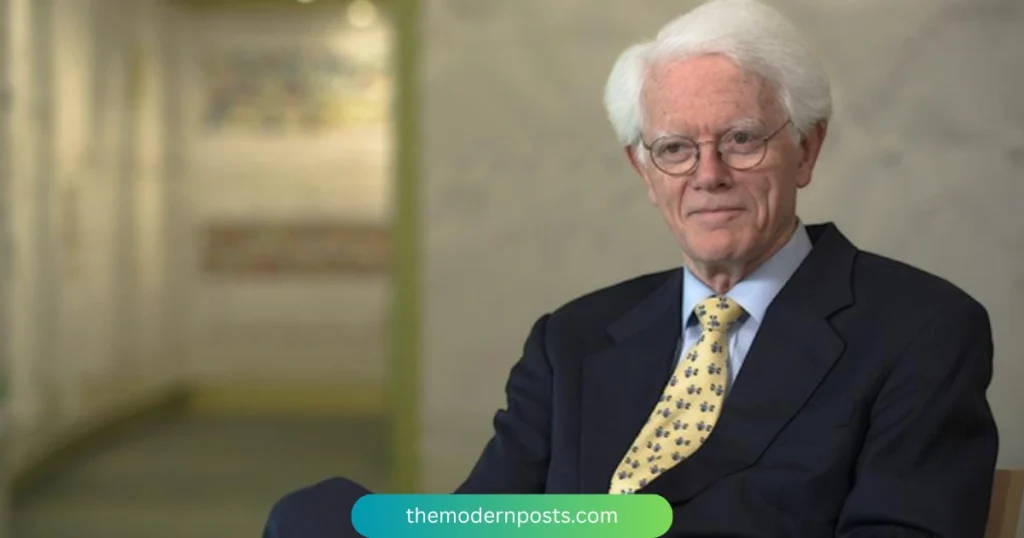
Safra Catz and Peter Lynch: Key Facts and Timeline
Looking at the two careers side by side makes the difference much easier to understand. Catz’s story is primarily about corporate leadership, while Lynch’s story is primarily about investment management. Both developed financial expertise, but they used that expertise for different purposes.
| Key Point | Safra Catz | Peter Lynch |
|---|---|---|
| Field | Technology leadership | Investment management |
| Major institution | Oracle | Fidelity |
| Famous achievement | Helping lead Oracle’s corporate strategy | Managing Magellan’s exceptional growth |
| Education connection | Wharton | Wharton |
| Investment philosophy | Corporate capital and growth strategy | Fundamental stock research |
| Career legacy | Major technology executive | Legendary investor |
What Is the Real Connection Between Safra Catz and Peter Lynch?
The real connection between Safra Catz and Peter Lynch is best understood through their shared links to business education and finance rather than through a direct professional partnership. Both developed impressive careers and became recognized names in their respective fields, but their paths were separate.
Catz’s legacy is connected to Oracle, corporate finance, acquisitions and technology leadership, while Lynch’s legacy is connected to Fidelity, Magellan and long-term stock investing. Looking at them together provides an interesting lesson in how financial knowledge can be applied in completely different careers.
Conclusion
Safra Catz and Peter Lynch represent two very different forms of success in the world of finance and business. Catz became a major corporate leader through her work at Oracle, while Lynch became famous for his investment management career at Fidelity’s Magellan Fund. Their shared connection to Wharton gives them an interesting link, but it should not be confused with evidence of a close personal relationship, family connection or business partnership. Ultimately, their stories demonstrate two sides of financial decision-making: building and leading businesses and identifying businesses worth investing in. That difference is what makes the comparison between Safra Catz and Peter Lynch both useful and fascinating.
Frequently Asked Questions
1. Who are Safra Catz and Peter Lynch?
Safra Catz is a prominent technology executive best known for her long career at Oracle, where she held senior leadership positions and became CEO. Peter Lynch is a legendary American investor who managed Fidelity’s Magellan Fund from 1977 to 1990. Although both are connected to business, finance and Wharton, they followed very different professional paths. Catz focused on corporate leadership, acquisitions and technology strategy, while Lynch focused on analyzing companies and managing investments. Their names are sometimes discussed together because of their shared educational connection and influence in the financial world, but there is no strong evidence that they were business partners or close professional associates.
2. Did Safra Catz and Peter Lynch attend Wharton?
Yes, both Safra Catz and Peter Lynch have connections to the Wharton School, but they should not be described as classmates. They studied in different periods and developed their careers independently. Catz attended the University of Pennsylvania and earned her undergraduate degree from Wharton before obtaining a law degree from the university. Lynch also attended Wharton for his graduate business education. Their shared connection is interesting because Wharton has a long history of producing influential figures in business and finance. However, attending the same institution at different times does not mean that two people personally knew one another or worked together.
3. Are Safra Catz and Peter Lynch related?
There is no established public evidence that Safra Catz and Peter Lynch are related. Their names being discussed together does not indicate a family connection. The stronger documented connection between them comes from their association with Wharton and their careers in business and finance. Catz became known primarily as an Oracle executive, while Lynch became famous as an investment manager at Fidelity. Because both have prominent careers and financial backgrounds, online articles may compare them or mention them together. Readers should therefore be careful about assuming a family relationship simply because two well-known people appear together in search results.
4. What is Peter Lynch famous for?
Peter Lynch is best known for managing Fidelity’s Magellan Fund from 1977 to 1990. During his tenure, the fund became one of the most famous success stories in mutual-fund investing. Lynch was also widely recognized for his practical investment philosophy, especially the idea commonly summarized as “invest in what you know.” He encouraged investors to notice promising businesses in everyday life but stressed that observation was only the starting point. Serious research into a company’s financial health, growth prospects, competition and valuation was still necessary. His books later helped make investment concepts easier for ordinary people to understand.
5. What is Safra Catz best known for?
Safra Catz is best known for her leadership career at Oracle, one of the world’s largest technology companies. She joined Oracle in 1999 and eventually became one of its most influential executives, with major responsibilities involving finance, acquisitions and corporate strategy. Her background in investment banking helped her understand complex transactions and large-scale business decisions. During her years at Oracle, the company expanded significantly into cloud computing and other technology services. Catz’s career is therefore often viewed as an example of how financial expertise can support high-level corporate leadership and long-term business transformation.